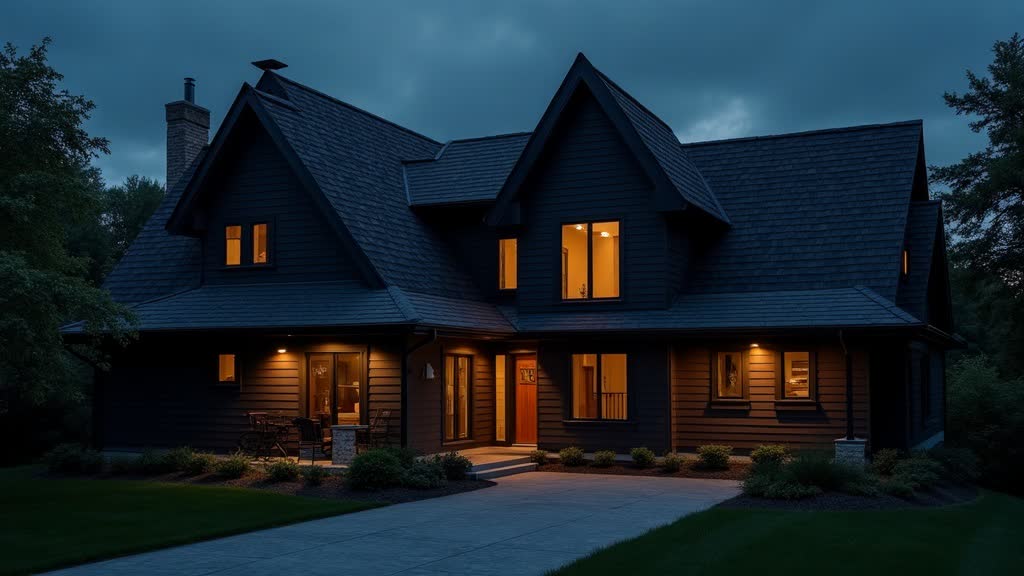
Commercial Roofing in Clearwater, FL:
Planned Around Your Building and Your Business.
Commercial roofing in Clearwater for the buildings along US-19, Gulf to Bay Boulevard, downtown and the beach. We measure the roof before we visit, schedule the work around how you use the building, and give you the same 15-year workmanship warranty and project portal our homeowners get.
Takes about 30 seconds. A local roofing specialist follows up the same business day.
Commercial Roofing Along Clearwater’s Business Corridors
Clearwater’s commercial buildings line a few main roads: US-19 and its shopping centers, Gulf to Bay Boulevard running east from downtown, Cleveland Street and Fort Harrison Avenue in the old downtown, and the hotels, restaurants and condos on Clearwater Beach. Many of them have flat or low-slope roofs crowded with air conditioning units, and plenty mix a flat main roof with pitched sections over entrances or storefronts.
Commercial roofing in Clearwater means working around tenants, customers and equipment, not just the weather. So the plan for the work matters as much as the roof system itself.
Commercial Roof Systems We Install
- TPO, a single-ply membrane with heat-welded seams, for flat and low-slope roofs.
- Modified bitumen, a multi-ply membrane for flat and low-slope roofs.
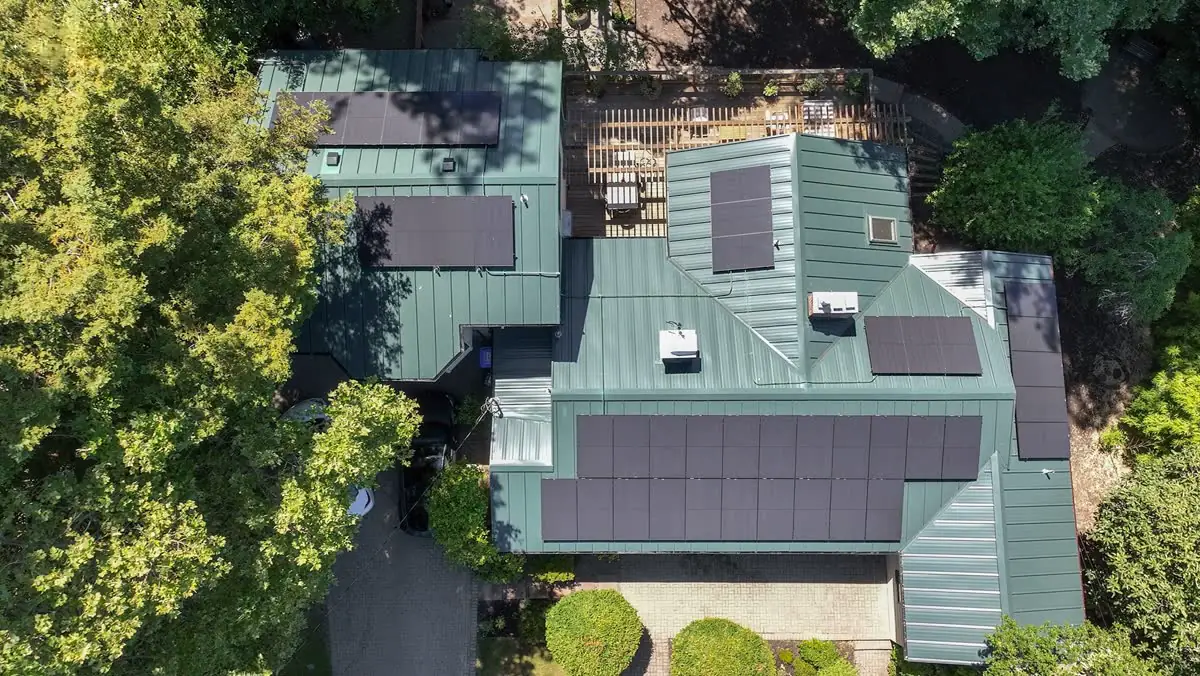
- Standing seam metal on sloped roofs. Concealed clips hold the panels, so nothing pierces the finished surface.
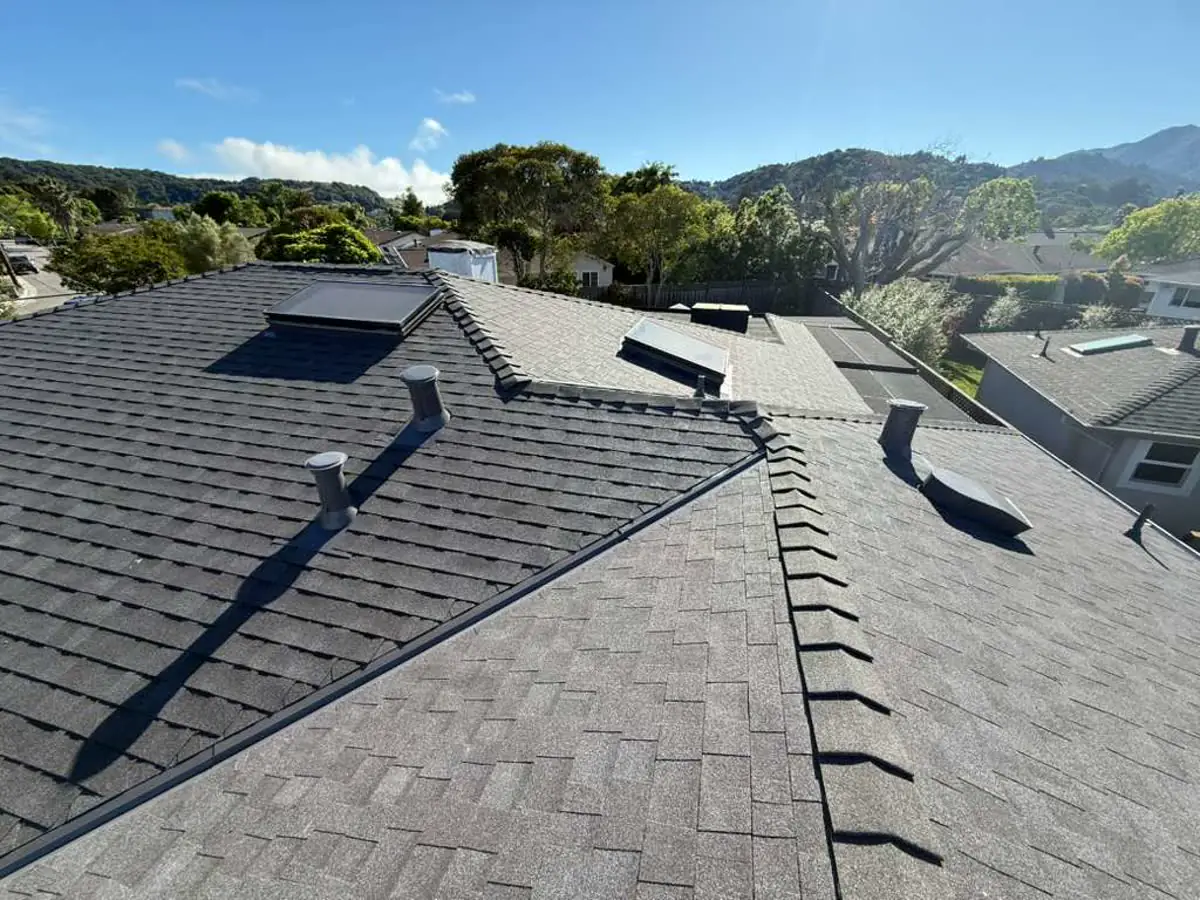
- Architectural shingle on sloped roofs over offices, churches and other smaller buildings.
The right choice depends on the slope, the equipment on top and how the building is used. Every product we install carries a Florida Product Approval, and your quote explains why we recommend what we do.
- The tie-in Where the flat section meets the main roof, the classic leak point
- Ponding water Low spots hold water after a storm and wear the membrane out early
- The edge and drain Water has to reach the gutter or drain, or it backs up
Where Commercial Roofs Fail
Most commercial roof leaks start at the same few places:
- Around rooftop units. Curbs and penetrations for AC equipment get stepped on, worked on and resealed over and over.
- At the drains. A clogged drain or scupper leaves water sitting on the roof for days, which wears the membrane and adds weight.
- At seams and edges. The joints and perimeter of a membrane are the first to open up.
- At parapet walls. The flashing and coping where the roof turns up the wall dry out and crack in the sun.
We photograph each of these during the inspection, so you and anyone else who needs to sign off can see the condition of the roof without climbing up.
Repair or Replace a Commercial Roof
A lot of commercial roofs are replaced earlier than they need to be. Others are patched for years after they should have been replaced, with leaks moving from one tenant’s ceiling to the next. Knowing which one you have is the most valuable part of an inspection.
A commercial roof is usually worth repairing when the problems are at the details: a few open seams, failed flashing around rooftop units, a clogged drain or a damaged section of edge metal, on a membrane that’s otherwise sound. Fixing those can buy years.
Replacement makes more sense when water has gotten into the insulation under the membrane, when the surface is blistered or cracked across large areas, or when the roof has been patched so many times that new leaks keep appearing faster than they can be fixed. Wet insulation is the key sign. It stays wet, adds weight, loses its insulating value and keeps feeding moisture to the membrane above it.
Our inspection photographs the drains, seams, rooftop units, parapets and any soft or wet areas, so owners, managers and anyone else who needs to approve the spending can see the condition of the roof without climbing up. The quote then lays out a repair, a replacement, or both side by side.
Buildings on the Beach and Near the Water
Commercial buildings on Clearwater Beach face the same salt air and wind as the homes there, plus one more consideration. Much of the beach sits in a flood zone starting with A or V. After a storm, the City of Clearwater decides whether a damaged building has “substantial damage,” meaning repairs would cost 50% or more of its market value. If so, the whole building may need to meet current flood rules, and the roof work counts toward that total.
Near the water we also pick trim, flashing and fasteners for coastal exposure, since salt goes after the metal parts of a roof first.
Substantial Damage in a Flood Zone
Keeping Your Business Running
Before any work starts, we plan the schedule with you: which days the crew is on the roof, which parts of the building are affected and how materials get on and off the roof. It’s written into the quote, so there are no surprises for you or your tenants. During the job, photos of the work go into your portal, and the permit, warranty and invoices stay there afterward.
How Commercial Roofing in Clearwater Works with Us
- 01
Send the Address
We measure the roof from high-resolution imagery before visiting.
- 02
Inspection
Drains, seams, rooftop units and flashing checked and photographed.
- 03
Quote and Schedule
The system, the price and the work schedule in one document, signed online.
- 04
Installed and Warrantied
Permit closed out and a 15-year workmanship warranty in writing.
Roofs We're Proud Of
Year workmanship warranty in writing, and it comes on top of the manufacturer's warranty for your materials.
We file every permit and build to the Florida Building Code. You don't fill out a single form.
We haul away the old roof and run a magnetic sweep for nails, so the yard looks the way it did before we came.
Florida certified roofing contractor CCC1336568, carrying liability insurance and workers' comp.
Photos, permit, warranty and invoices kept in one place for as long as you own the building.
Commercial Roofing Questions in Clearwater
What Types of Buildings Do You Roof in Clearwater?
Offices, retail and strip centers, restaurants, churches, small warehouses and multifamily buildings, on flat, low-slope and pitched roofs.
Which Roof System Is Right for My Building?
It depends on the slope, what sits on the roof and how the building is used. TPO and modified bitumen are for flat and low-slope roofs, standing seam metal and shingle for pitched ones. Your quote explains the choice.
Do You Handle Commercial Repairs, or Only Full Replacements?
Both. Many commercial roofs have years left once the drains, seams and flashing are fixed, and we'll tell you if yours is one of them.
Can My Business Stay Open While the Roof Is Replaced?
We plan the schedule with you before work starts and write it into the quote, so you know which days the crew is on the roof and which areas are affected.
My Building Is on Clearwater Beach. Is There Anything Different?
Possibly. Much of the beach is in a flood zone, so if the building was damaged, the City of Clearwater may review whether total repairs reach its 50% substantial damage threshold before the roof is permitted. Salt air also calls for coastal-grade trim and fasteners.
Who Pulls the Commercial Roofing Permit?
We do, in our name, from the City of Clearwater or Pinellas County, and we close it out after the final inspection.
What Warranty Comes with a New Commercial Roof?
A 15-year workmanship warranty from us, in writing, on top of the manufacturer's warranty on the materials.
Get Your Clearwater Roof Measured, Free.
Enter your address. We'll handle everything else.